There’s a particular anticipation within the air when the wok hits the flame. The sizzle, the aroma, and that elusive first-class chefs call “wok hei” - the breath of the wok. If you’ve ever stood over a stove, spatula in hand, brooding about regardless of whether your decision of cookware affects the final result, you’re now not by myself. The debate among solid iron and carbon metal woks is extra than net fodder. It’s a true attention for a person who cares approximately stir-frying system and flavor.
The coronary heart of this assessment beats round warmness retention. The way a pan absorbs, holds, and releases warmness rapidly affects texture, browning, and timing. Let’s dive into how cast iron and carbon metal woks care for this quandary in a different way - with sensible particulars from kitchens either respectable and homegrown.
What Heat Retention Actually Means in Wok Cooking
Much is made about “heat retention,” but it is helping to clarify what’s at stake. When you drop chilly additives right into a sizzling pan, a few pans get better briskly when others lose their area. In stir-frying, this will likely be decisive: an excessive amount of temperature drop and your vegetables steam rather then sear; too little manipulate and gentle meals scorch prior to they prepare dinner by means of.
Heat retention refers to how a whole lot thermal electricity a pan can keep and how step by step it releases that electricity at some stage in cooking. This is prompted with the aid of a couple of points:
- Mass: Heavier pans carry more warmness. Material: Different metals habits and keep warmth differently. Shape: Wide or thin-walled vessels behave not like thick or compact ones. Burner output: Home degrees in most cases fall brief of eating place-degree BTUs.
Both forged iron and carbon metallic are conventional choices for woks, but they have interaction with heat in one of a kind techniques.
Cast Iron Woks: Steady Powerhouses
Anyone who has lifted a forged iron wok is aware of its heft. That weight isn’t just for demonstrate - it’s middle to how forged iron plays.
When preheated accurately (and it does take persistence), solid iron retailers noticeable strength in its mass. Once hot, it has a tendency to live scorching, at the same time as you upload cool proteins or vegetables. This inertia serves two results: temperature steadiness and constant browning.
I’ve seared batches of red meat for Mongolian stir-fries in a smartly-professional forged iron wok devoid of worrying a good deal approximately crowding. The floor temp dips much less dramatically than with lighter pans, so meat caramelizes reliably batch after batch.
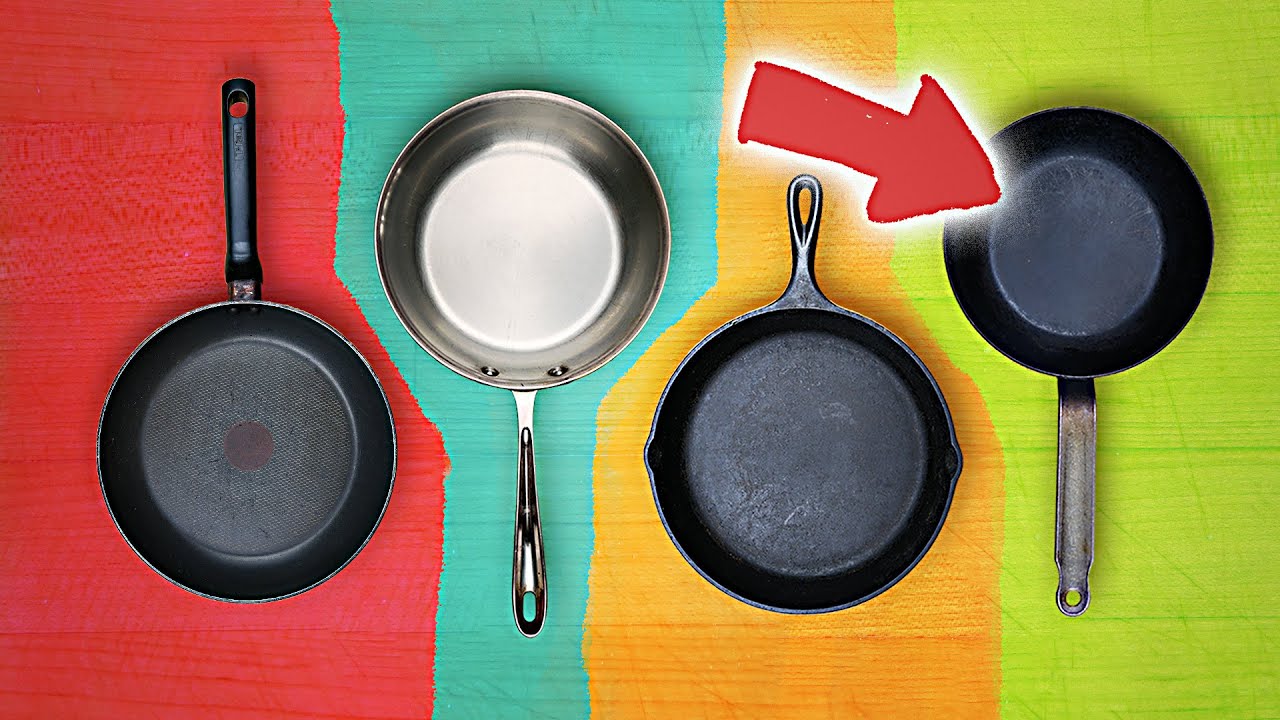
However, this electricity could also become a weak spot. Because cast iron is thick and slow to respond, swift temperature differences aren’t its uniqueness. If you accidentally allow your oil get too warm in the past including garlic or aromatics, there’s little recourse aside from pulling the pan off the burner absolutely.
Also worth noting: not all forged iron woks are created same. Some Chinese-genre cast iron woks are thinner than Western skillet counterparts, which helps average their mass however doesn’t erase the standard features.
Typical Features of Cast Iron Woks
- Substantial weight, typically 8 kilos or greater for 14-inch versions. Usually comes pre-professional but merits from additional layers. Prone to chipping if dropped or banged. Handles could be necessary or looped - worthwhile for maneuvering.
When heat retention is paramount - say, searing full-size volumes or putting forward temperature by means of elevated cook times - forged iron shines.
Carbon Steel Woks: Responsive Workhorses
If you’ve watched side road proprietors tossing noodles over roaring flames, odds are excessive they’re the usage of carbon metallic woks. There’s terrific intent for this attractiveness.

Carbon metal is much lighter than solid iron. A established 14-inch carbon steel wok weighs between 2 and three pounds. Its walls are thinner as good. This makes it possible for it to return up to temperature quickly and react rapid if you happen to alternate the burner surroundings or circulate it off-warmness.
Practically, this means you wield greater keep watch over right through top-velocity cooking. When I make pad thai or dry-fried eco-friendly beans in carbon steel, I can modulate the depth at the fly. If juices threaten to pool or aromatics menace burning, reducing the heat or shifting ingredients up the sloped facets brings rapid effects.
Yet there are commerce-offs. Because carbon steel doesn’t shop as much energy as forged iron, it loses warm swifter whilst loaded with chilly meals or sauce-heavy recipes. Crowding turns into an hindrance: too many shrimp or too much broccoli dropped instantly will sap surface temperature and flip sautéing into steaming.
Seasoning also plays a role right here. Both components increase nonstick patinas with use, however carbon metal’s lighter build skill seasoning imperfections demonstrate up quicker as cuisine sticks or scorches the place bare metal reappears.
Typical Features of Carbon Steel Woks
- Lightweight for tossing and maneuvering. Heats up inside of mins. More forgiving if dropped or knocked. Requires conventional seasoning preservation.
Home cooks with commonly used fuel or electrical stoves most of the time in finding carbon metallic more forgiving through its pace and adaptableness.
A Direct Comparison: Cast Iron Wok vs Carbon Steel for Heat Retention
To put conception into follow, let’s examine these two substances side by facet simply by precise-global parameters.
| Feature | Cast Iron Wok | Carbon Steel Wok | |--------------------------|------------------------------------|---------------------------------| | Weight | 8-12 lbs (14-inch dimension) | 2-three lbs (14-inch dimension) | | Wall Thickness | 3-five mm | 1-2 mm | | Preheating Time | eight-10 mins on homestead range | 2-four minutes on homestead stove | | Heat Retention | High; sluggish to chill or adjust | Moderate; cools/adjusts swift | | Responsiveness | Slow to reply | Very responsive | | Tolerance to Crowding | High | Low to average | | Best For | Searing, super batch cooking | Quick stir-fries, mild paintings | | Maintenance | Seasoning + cautious coping with | Seasoning + frequent re-oiling |
Numbers here are drawn from hands-on trying out throughout various manufacturers (Lodge for solid iron; Joyce Chen for carbon steel) on generic home burners with 12-15k BTU output.
A domicile https://jsbin.com/jiyalesexa kitchen with confined burner strength frequently struggles to retain any wok in point of fact ripping sizzling beneath heavy quite a bit. Cast iron will maintain on longer, but once warmth is misplaced, healing takes time. Carbon metallic drops temperature swifter less than load but recovers quicker whilst reheated.
The Impact on Stir-Fry Technique
The stir-frying strategy actions fast: prime warm, short tosses, minimal oil. Each cloth shifts the dynamic in subtle tactics.
With cast iron, I procedure stir-fries with confidence that my sear will be solid whether or not I upload chilled meat straight from the refrigerator. However, I actually have to devise sparsely - if I overfill the pan or want to change from top warm to soft simmering (say for egg drops or ending sauces), reactions lag at the back of my instructions.
Carbon steel encourages agility. I can turn components up the sides devoid of anxious about lingering hotspots or obdurate cool zones. If I see burning or overcooking starting to appear, sliding the pan off-heat buys me mandatory seconds to regroup. But I should be meticulous: simply small batches and pre-warmed foods if I want properly wok hei in place of limp consequences.
Real-World Scenarios: Which Wok Performs Better?
Let’s stroll simply by two commonplace dishes to see how heat retention affects consequences.
Beef Chow Fun
This Cantonese classic calls for blazing warm for proper char on rice noodles without turning them into mush. With my 12-inch forged iron wok heated except shimmering (a sturdy 8 minutes), I can drop in beef slices marinated from the refrigerator with no killing the sizzle. Even after adding noodles and sauce, I get those telltale flecks of caramelization.
The same dish in carbon metallic chefs fantastically if I cut up it into two smaller batches. Crowding way every element saps more vigour from the skinny steel; my first try yielded pale noodles unless I discovered to work in a timely fashion and preclude overloading.
Garlic Spinach
Quick-cooked veggies are much less traumatic on thermal reserves however gift responsiveness. Here carbon steel pulls forward: I toss spinach in sizzling oil inclusive of garlic slivers and might handle doneness with the aid of actually lifting or tilting the pan faraway from direct flame as leaves wilt. With cast iron, I even have less agility; residual heat retains cooking even when I try to give up.
Practical Considerations: Choosing for Your Kitchen
Personal ride shows matching your wok no longer basically for your recipes yet also your machinery and conduct.
If your quantity puts out modest BTUs (the norm for so much U.S. residences), carbon metal permits you to compensate by operating in smaller batches and moving rapidly. Lighter weight skill you gained’t tire mid-toss or strain wrists flipping fried rice.
Cast iron rewards patience. Its inertia forgives less-than-ideal timing should you need to step away or juggle a couple of projects. For one-pot nutrition or recipes wherein putting forward top regular warmth is significant, its mass is your friend.
Space subjects too: storing an eleven-pound wok takes commitment either physically and emotionally. Carbon metallic tucks away quickly; a few types even come with detachable handles for tighter cabinets.
Maintenance: Heat Retention Meets Real Life
No discussion is full with no because care workouts tied to each one fabric’s thermal habit.
Cast iron keeps now not in basic terms warmth yet additionally seasoning flaws if unnoticed. After cooking acidic ingredients or if left moisture-uncovered in a single day, rust can set in immediate. Because it cools slowly, cleansing have to wait till reliable to the touch but not so past due that stuck-on bits turn out to be everlasting residents.
Carbon steel cools within minutes so put up-cooking cleanup suits smartly into cooking glide. However, its thinner seasoning way widely used touchups with oil are key in case you want to keep away from patchy sticking subsequent round.
Neither is “set it and disregard it.” Both gift chefs inclined to build up their very own nonstick surfaces over months or years of use.
When to Use Each: A Quick Reference
If you to find your self deciding which wok to attain for tonight, the following’s a transparent reference:
Best makes use of for solid iron woks:

Best uses for carbon steel woks:
Fast-paced stir-fries with mushy greens. Recipes benefitting from quickly temperature transformations. Dishes wherein tossing or flipping is required. Home kitchens with lower-powered burners desiring swift restoration.Final Thoughts: Which Should You Get?
No unmarried resolution matches each cook dinner or every kitchen in relation to the forged iron wok vs carbon metal debate. If I had to advocate one for so much abode chefs captivated with authentic stir-fry flavors yet working with common machinery, carbon steel edges out by way of advantage of agility and straightforwardness of use - exceptionally for inexperienced persons mastering flow and timing over brute drive heat.
That acknowledged, don’t underestimate solid iron whenever you crave that deep Maillard crust or choose a software that doubles as a braiser or deep fryer. Many pros retailer both accessible for accurately those motives.
Ultimately, go with what feels desirable on your palms and fits your rhythm at the stove. Both supplies present familiarity and care; each are able to producing memorable meals brimming with style and texture.
So next time you attain for your wok, depend: whether cast from dense iron or nimble metallic, mastery lies no longer just inside the steel yet in how you wield it over fireplace.