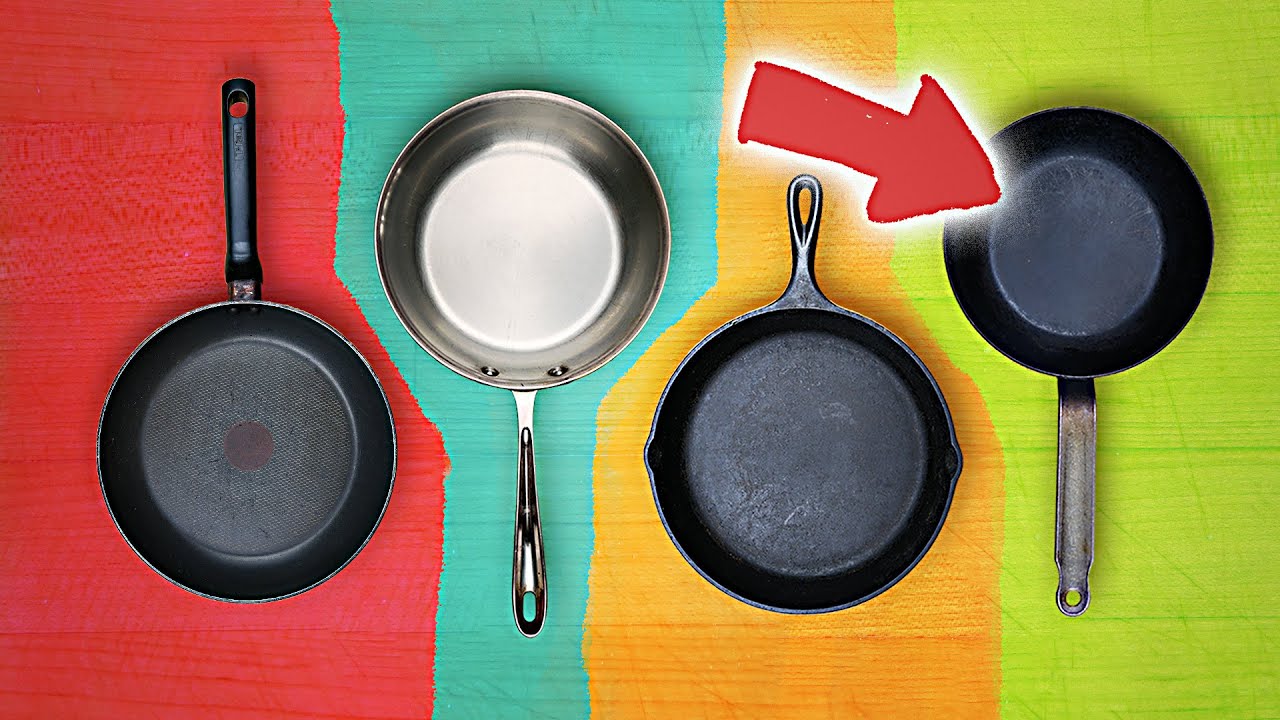
Few kitchen debates stir as plenty ardour as the option between a solid iron wok and its carbon metal counterpart. For all and sundry who has hovered over a searing-hot pan, spatula in hand, chasing that elusive breath of the wok - wok hei - the desirable instrument could make or wreck the trip. I’ve cooked countless numbers of stir-fries in residence kitchens and bustling restaurant strains, and the question comes up again and again: cast iron or carbon metallic?
Let’s dig into what if truth be told subjects on the stove - no longer simply chemistry or advertising and marketing, but the lived realities of seasoning, warm leadership, toughness, style, and the feel for your arms.
The Heart of a Stir-Fry: What Makes a Wok Special?
Before evaluating elements, it’s worth pausing to imagine what a wok is designed to do. Unlike a Western skillet, a wok has a spherical backside (regularly flat-bottomed for Western stoves), tall sloping aspects, and a surprisingly thin move-phase. This form isn’t simply culture - it facilitates for instant tossing of nutrition, prime warmth at the base, mushy warmth alongside the walls, and successful movement for the time of cooking.
A ideally suited stir-fry demands 3 issues: serious heat retention, rapid temperature ameliorations while additives are additional, and a floor that encourages caramelization with no sticking. The subject material of your wok shapes all 3.
Cast Iron Woks: Weighty Traditions
Cast iron has an very nearly mythic reputation between cooks. In China’s north, the place fuel was historically less considerable and https://deanpmua371.fotosdefrases.com/seasoning-secrets-cast-iron-wok-vs-carbon-steel-maintenance-1 sluggish-cooked stews extra fashioned, solid iron woks became a staple. These should not the thick-walled Western skillets you uncover at old department stores. Traditional Chinese solid iron woks usually have thinner partitions (in certain cases as little as 2 millimeters), making them lighter than their Western cousins but nevertheless tons heavier than carbon metal.
When you decide on up a solid iron wok, you observe two things today: heft and presence. A 14-inch Chinese-kind cast iron wok could weigh four to six kilos, at the same time as some Western-made models tip earlier 8 kilos. This mass supplies cast iron its mythical warmth retention and evenness.
But that similar heft can make tossing delicacies perplexing for lots of chefs. If you've got you have got wrist issues or merely opt to prepare dinner with one hand on the spatula in place of two fingers on a heavy pan, this just isn't a trivial fear.
Seasoning Cast Iron
Seasoning affords forged iron its nonstick surface and wonderful patina. With every one use (and chiefly with prime-heat stir-frying), oil polymerizes onto the metallic, construction up a slick layer that protects in opposition to rust and eases delicacies liberate. In my feel, accurate seasoned Chinese-taste cast iron woks broaden a deep bronze-black sheen after a dozen or so makes use of.
Western-type thick forged iron would take longer to grow this seasoning as a result of its rougher surface texture out of the container. Some manufacturers now pre-season their pans, but traditionalists nevertheless swear by way of their own multi-step seasoning rituals - burning off manufacturing facility coatings, utilising thin coats of flaxseed or vegetable oil, then baking or heating over flame.
Heat Management
Cast iron excels at conserving warmth once it’s warm. This is both a blessing and a curse for stir-frying. On one hand, it capability your wok gained’t cool off dramatically once you add bloodless parts - an a must have trait for searing meats or veggies. On the alternative hand, it’s sluggish to respond to tweaks in burner output. If you choose to drop from searing to simmering in seconds, forged iron received’t oblige; it lags behind your instructions.
In factual-international terms: when you’re cooking super batches or need to make sure even browning throughout every chunk, cast iron shines. But if you favor agility - flipping from blistering heat to comfortable sauce reduction - it is able to really feel sluggish.
Durability and Maintenance
A suitable maintained solid iron wok can final generations. I’ve noticed century-vintage pans in rural Chinese kitchens nevertheless pumping out fried rice with aptitude. But forget about breeds rust directly. After washing (by no means with cleaning soap), consistently dry very well over heat and rub in a thin sheen of oil. The greatest danger is shedding it: while difficult in known use, cast iron is brittle when compared to metallic and may crack if struck onerous or dropped onto stone flooring.
Carbon Steel Woks: The Pro’s Choice
Walk into basically any Chinese restaurant kitchen - from Beijing food stalls to San Francisco’s Chinatown - and so much woks will be carbon metal. There’s sturdy reason: carbon metal can provide a great steadiness of speed, responsiveness, weight, affordability, and style building.
A average 14-inch carbon metal wok weighs approximately 2 to three kilos - routinely much less. The subject material is resilient yet thin ample to warmness all of a sudden and respond automatically to adjustments in flame depth.
The Ritual of Seasoning
If there’s a rite of passage for wok householders, it’s seasoning a uncooked carbon metal pan for the 1st time. Most arrive with a blue-grey end from manufacturing oils or anti-rust coatings. This needs to be scrubbed off fully earlier use - characteristically with sizzling water and a scouring pad.
Once naked steel is uncovered, you heat the wok except it smokes, then rub in skinny layers of top-smoke-factor oil many times till a deep golden-brown patina emerges. The wok darkens over the years with use; after months or years of widely used stir-frying, it turns practically black.
Unlike Teflon-covered pans, this traditional seasoning improves as you cook - primarily with fatty meals like beef abdominal or fried eggs.

Heat Responsiveness
Speed is where carbon metallic shines brightest. The skinny metallic heats up immediate - regularly in underneath a minute over a prime-powered burner - and cools pretty much right now while taken off the flame. For residence cooks simply by fundamental fuel tiers (pretty much 7,000 - 18,000 BTU), this agility capability you possibly can push warmness challenging for searing, then tame it down for saucing devoid of burning your aromatics.

It additionally capacity less hazard of overcooking sensitive additives like shrimp or leafy greens. If your function is crisp-smooth greens that save their coloration and snap, carbon steel offers unequalled manage.
Durability in Everyday Life
Carbon metallic is less brittle than forged iron; it's going to bend rather beneath tension but infrequently cracks or chips except abused. It will rust if left wet or kept in humid environments with no oiling after cleansing. Still, so much dwelling cooks discover repairs more straightforward as it doesn’t demand as a great deal oiling as common cast iron.
The foremost menace is warping if heated too aggressively while empty - a thing to monitor out for on highly effective burners.
Wok Hei: Chasing the Elusive Flavor
No dialogue of woks may be comprehensive without addressing wok hei - actually “the breath of the wok.” This elusive flavor comes from severe searing at prime warm, micro-charring of oils and aromatics, fast vaporization of juices, and the diffused metal tang of pro metal.
Both elements can produce wok hei under the best option conditions, but there are changes well worth noting.
Carbon steel’s responsiveness makes it easier to reach these fleeting moments when heat peaks just proper for Maillard reactions devoid of burning. Professional chefs wielding highly effective burners can toss meals using fireplace-laced air for seconds at a time - a thing made life like through easy carbon metallic woks.
Cast iron can acquire an identical effects if preheated competently and used over solid warm resources. However, its slower responsiveness capacity timing is trickier; there’s less margin for errors among ultimate sear and scorched nutrition.
Practical Considerations: What Fits Your Kitchen?
Stir-fry mastery isn’t well-nigh physics; it’s approximately matching machinery to atmosphere. Here are factors I’ve noticeable matter most in residence kitchens:
- Burner power: Most house stoves max out neatly below legitimate wok burners (which will blast out over a hundred,000 BTU). On average burners, thinner carbon metallic heats up rapid adequate for proper searing; thick cast iron might battle to reach height temperatures. Stove classification: Round-bottomed woks paintings easiest on fuel stoves with wok rings; flat-bottomed selections are larger for electric powered or induction tiers. Cooking model: If you love tossing food theatrically or biking simply by dissimilar dishes in brief succession, carbon metal’s lightness wins out. For batch cooking or deep-frying in a single vessel, forged iron keeps warmth beautifully. Maintenance behavior: Forget to dry your wok after washing? Carbon steel will forgive occasional lapses extra definitely than cast iron.
The Feel in Your Hands
No spec sheet can catch how these pans believe whilst cooking dinner after a protracted day. After years at the back of both styles of woks, I find carbon metallic nearly disappears in use - it turns into an extension of your wrist as you toss fried rice or slide greens up the edges for easy steaming.
Cast iron demands more planned motions. Its inertia rewards staying power: searing lightly disbursed proteins or slowly crisping tofu cubes with no consistent circulation.
Some house chefs love the stability of cast iron’s weight; others curse it whenever they are attempting to raise it off the range with one hand complete of warm oil.
Edge Cases: When Cast Iron Wins
While maximum respectable kitchens default to carbon metal for velocity and keep an eye on, there are scenarios in which solid iron shines:
- Deep-frying: Its thermal mass maintains oil hot even if adding chilly materials. Stewing: For dishes like braised beef stomach (hong shao rou) or pink-cooked beef shank, solid iron’s evenness fosters sluggish-simmered tenderness. Legacy cookware: Many families in northern China skip down skinny-walled cast iron woks that are lighter than today's Western variations yet maintain the entire blessings.
If your cooking leans towards these patterns or you choose one wok to function both stir-fry vessel and Dutch oven alternative, cast iron can even make extra feel.
When Carbon Steel Surpasses
For pure stir-frying - believe short vegetable tosses, fried noodles, or kung pao hen - carbon metal honestly outpaces every little thing else for domestic chefs.
Its affordability is a further draw: high quality carbon metallic woks from professional makers ordinarilly settlement between $30 to $60 new (as of overdue 2023), as opposed to $80-plus for related forged iron models.
A Quick Comparison
Here’s a distilled aspect-by-part view:
| Feature | Cast Iron Wok | Carbon Steel Wok | |-----------------------|------------------------|-------------------------| | Weight | Heavier (4-8 lbs) | Lighter (2-3 lbs) | | Heat Retention | Excellent | Good | | Heat Responsiveness | Slow | Fast | | Seasoning | Builds slowly | Builds shortly | | Ease of Tossing | Challenging | Easy | | Rust Resistance | Needs vigilance | Fairly forgiving | | Price | Usually upper | Usually diminish | | Durability | Brittle if dropped | Tougher underneath strain | | Best For | Deep-frying, braising | Stir-frying |
How to Season Your Wok (Step-by using-Step)
Proper seasoning is essential for each materials yet a bit easier with carbon metal because of its easy finish. Here’s how I advisor new wok vendors:
Scrub off any factory coating utilising warm water and a scouring pad. Dry very well over medium warmness. Add a tablespoon of excessive-smoke-aspect oil (grapeseed or peanut paintings nicely). Swirl oil across all surfaces; wipe away excess. Heat until eventually smoking; repeat oiling if obligatory except pan darkens.Afterwards, retain utilising your wok routinely - every single meal improves its floor.
Real-World Anecdotes
A pal of mine inherited her grandmother’s thin-walled forged iron wok from northern China; it’s been in use for over 60 years and has outlasted 3 stoves. The style it imparts to egg fried rice is unmistakable - a specific thing about years of equipped-up seasoning creates layers no new pan can replicate.
On any other hand, in my personal kitchen lined with fuel burners that barely push 10,000 BTU in step with ring, my trusty carbon metal wok handles weeknight stir-fries with aplomb. It heats quick sufficient that I can whip up ginger pork or highly spiced mapo tofu with out preheating for a while or tense about scorched edges.
Sometimes nostalgia wins out; other occasions physics does.
The Case for Owning Both
If kitchen area helps, not anything beats having either concepts handy. For short food or cooking for one or two of us, carbon metal reigns ideal for agility and speed. When website hosting site visitors or deep-frying tempura for a crowd, that gigantic historical forged iron wok earns its hold.
But maximum house cooks will emerge as reaching for one a ways greater quite often dependent on their possess conduct - so let your weeknight certainty dictate your desire.
Final Thoughts
The very best wok is the single that suits your stove, fits your cooking taste, and feels like an previous chum after a few shared meals. Cast iron brings heft, custom, and unbeatable heat retention for detailed dishes; carbon metal grants speed and keep an eye on for familiar stir-fries.
If you’re still torn among forged iron wok vs carbon metallic in any case this aspect, don’t overthink it: start with carbon steel for its versatility and approachability. As your capabilities develop - or once you discover your self craving those gradual-braised flavors - there’s consistently room for yet one more wok down the line.
Happy stir-frying!