Step into any bustling dwelling kitchen or restaurant, and in the future the query of cookware choice comes up. When it comes to woks - the center and soul of stir-fries, fried rice, and quite a bit greater - chefs in finding themselves opting for among solid iron and carbon metallic. Both have deep roots in culinary historical past. Both can produce mouthwatering outcomes. Yet, their variations are a ways from trivial.
Having cooked professionally in wok stations and experimented at dwelling for many years, I even have noticeable firsthand how both textile shapes no longer simply the cuisine, yet also the rhythm and think of cooking. This is not very without a doubt a rely of subculture versus fashion. The collection between a solid iron wok and a carbon steel one touches on taste, approach, protection, or even non-public sort inside the kitchen.
The Character of Each Material
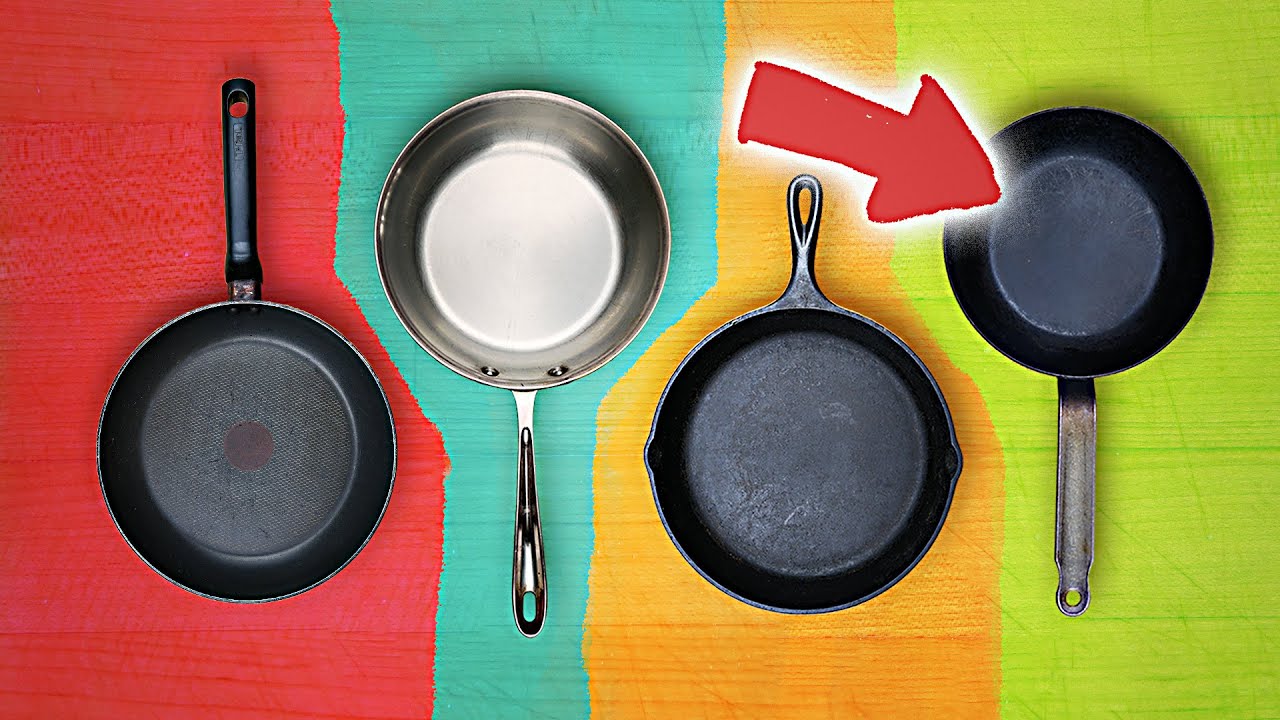
Cast iron and carbon metal percentage a particular vintage-international attraction. They either require seasoning - it is, building up a layer of polymerized oil for insurance policy and nonstick properties. They both eschew brilliant colors and manufactured coatings. Yet they diverge in composition and behavior.
Cast iron is dense and heavy. Traditional Chinese forged iron woks would be exceptionally skinny-walled in contrast to Western skillets, but however, they keep heat with cussed tenacity. Carbon metallic is lighter and extra responsive. It heats up quick and cools down simply as swift. The change seriously isn't diffused. Slide your hand alongside each, and you can still really feel it: the silky patina creating on well-used carbon metal, the granular texture of pro solid iron.
A classic carbon metal wok on the whole weighs between 2 and five pounds for a 14-inch type. Its forged iron counterpart may perhaps tip the dimensions closer to 7 pounds or greater. For some chefs, that heft feels reassuring. For others, it means fatigue after a couple of minutes of tossing noodles.
Stir-Frying: Speed Versus Stability
The heart of wok cooking lies in stir-frying. High warm, instant motion, and good regulate are basic. Here, carbon steel shines. A really good carbon steel wok can pass from room temperature to blazing sizzling in underneath a minute on a accurate burner. That brief reaction is necessary whilst you want to sear aromatics or toss veggies so that they live crisp-tender.
Cast iron’s slower warmness-up time may be a difficulty for this taste. However, once it truly is sizzling, it stays warm. For dishes that profit from sustained, even warm - assume shallow frying or a frittata-like egg foo younger - solid iron’s thermal mass is an advantage. In busy kitchens with underpowered stoves, that retention can make a change. You can drop in a great handful of cold components without losing your sizzle.
Personal adventure: I nonetheless remember that my first try at pad thai on a cast iron wok. The noodles steamed in preference to seared. I discovered too late that my residence stove effectively couldn't muster satisfactory warmth for that heavyweight vessel. Swapping to carbon metallic solved it. The change turned into prompt: charred edges on tofu, snappy bean sprouts, and not a trace of sogginess.
Seasoning and Maintenance
Both styles demand care. Seasoning just isn't non-compulsory; this is indispensable for overall performance and sturdiness.
Carbon metal seasons quick. After burning off the factory oil and utilising your own layer (flaxseed oil is standard, even though lard or canola paintings simply as well), you can still get a skinny patina after simply multiple stir-fries. The surface grows slick with use. If you unintentionally scour by way of the seasoning, it is straightforward to rebuild. Most cooks simply wipe the wok with oil after cleaning and revisit top-warmness seasoning from time to time.
Cast iron woks broaden seasoning extra slowly. The pores in the steel can entice moisture if you happen to should not diligent approximately drying and oiling after both use. In humid climates, rust can creep in overnight. On the turn facet, once usual, a cast iron seasoning can withstand greater abuse: better oven temperatures, deeper scrubbing. There is a thing deeply pleasing about the deep black sheen of an ancient solid iron wok, proof of tons of of nutrition cooked and shared.
One part case: when you cook acidic dishes (tomato-stylish sauces, vinegar-heavy stir-fries), either substances can lose some seasoning. Carbon metallic reacts sooner, leaving in the back of metal flavors for those who linger. Cast iron is more forgiving yet nevertheless benefits from urged cleansing after acidic meals.
Everyday Practicalities: Handling and Storage
A wok is simply not just a cooking surface. It is a tool supposed to be wielded. Here is in which weight and manage design count number. Most carbon metallic woks come with a unmarried long tackle (the “Northern” sort) or two small loop handles (the “Cantonese” model). Cast iron woks as a rule characteristic the dual handles by means of their heft. If you intend to toss cuisine with one hand, carbon metal is vastly more viable. Even 15 minutes into a busy dinner provider, my arms certainly not tire with a three-pound carbon metallic wok. Cast iron requires two fingers or a stable wrist, specially while aiming for those dramatic tosses that aerate and sear at the same time.
Storage is some other aspect. Carbon metal’s lighter build allows you to dangle it on a pot rack or slip it into tight areas. Cast iron’s bulk will also be unwieldy. Some cooks save their cast iron wok permanently at the stove as a variety of badge of honor (and as an excuse to apply it always). Neither cloth should still be left moist or stacked with different pans; moisture is the enemy.
Heat Sources and Versatility
Not every kitchen has a roaring fuel burner. In certainty, many domestic cooks make do with electrical coils or induction hobs. Both types of wok should be tailored, but with caveats. A flat-bottomed carbon metallic wok works neatly on electric or induction. Round-bottomed items can wobble dangerously unless you use a wok ring, which can sap warmness from electrical stoves.
Cast iron’s even base makes it extra forgiving on glass-excellent ranges. Its weight guarantees full contact with the burner. That talked about, so much induction cooktops have sensors that allows you to not admire thinner carbon metallic woks except they make correct contact. Cast iron is much less fussy here.
Beyond stir-frying, either woks can control deep-frying, steaming (with a bamboo or metallic rack), simmering stews, and even roasting peanuts or espresso beans. The forged iron wok excels at projects where steady, enveloping warmness is needed. Carbon steel is unbeatable for fast searing or after you need to trade temperatures unexpectedly.
Flavor and Wok Hei
Every cook chasing official Chinese flavors has heard of “wok hei” - that elusive breath of the wok. It is a made of serious heat, quickly flow, and smoky aroma. Carbon steel is frequently credited with making this you may at abode. Its thin walls can attain temperatures above seven-hundred°F in case your burner is up to the task. You can see onions blister practically in an instant, smell garlic caramelize formerly it has a opportunity to burn.
Cast iron can ship some wok hei within the properly palms, primarily with sufficient preheating. But as it loses warm less at once when cold parts hit the pan, nutrition can also steam in place of sear except you work in small batches and give much of time for recuperation. In eating places with mega-BTU burners, chefs on occasion use cast iron for greater batch cooking where consistency matters extra than break up-2nd searing.
Anecdotally, my possess attempts at Cantonese-taste fried rice tasted uninteresting except I switched to carbon metallic. The distinction was no longer a lot in nonstick potential but in that elusive smoky be aware - hard to explain yet immediately recognizable once you've gotten tasted it.
Cleaning Up: Myths and Realities
There is a chronic myth that woks need to not at all be washed with cleaning soap. In fact, easy cleaning soap is fantastic as long as you rinse absolutely and dry suddenly. The primary threat is scrubbing away seasoning or letting water linger lengthy adequate to rust either steel.
After stir-frying in carbon steel, I many times rinse with hot water and wipe dry over low warm. Occasionally I will use a mushy sponge with a drop of soap if there's stuck-on residue. For cast iron, the approach is related yet demands greater vigilance approximately drying; trapped water beneath the seasoning layer can rationale pitting rust overnight.
For each kinds: certainly not soak in a single day. Never run thru the dishwasher. Never retailer devoid of oiling gently. These suggestions sound strict however end up 2d nature after about a weeks’ use.

Durability and Longevity
With suited care, both form can last generations. Carbon metal is less brittle; this will warp lower than extreme warmness or forget yet rarely cracks. Cast iron is strong however can fracture if dropped onto tile or stone flooring. I actually have observed century-historic cast iron woks passed down simply by families in Guangzhou as heirlooms, their surfaces glassy-smooth from decades of day-to-day nutrition.

With heavy use (restaurant kitchens firing lots of dishes according to night), carbon metal woks may additionally desire replacing every few years by reason of thinning or warping. In home kitchens, equally styles are in general lifetime investments.
Cost and Availability
For so much dwelling cooks in North America or Europe, exact fine carbon metallic woks are commonly purchasable and comparatively in your price range. Expect to pay any place from $30 to $70 for a well-made 14-inch edition. https://augusthdtb410.tearosediner.net/stir-fry-perfection-cast-iron-wok-vs-carbon-steel-2 Cast iron woks are less widely used outside Asia however shall be came upon on line or simply by uniqueness importers. Prices range generally: usual hand-hammered Chinese cast iron woks can settlement $40 to $a hundred or extra; Western brands characteristically run bigger thanks to branding or ending touches.
Some mass-industry “forged iron woks” are really deep skillets with rounded facets instead of good woks; those lack the thinness and shape wished for correct Chinese technique.
When Each Shines: Matching Wok to Task
It is tempting to declare a winner between forged iron and carbon metallic. The actuality is extra nuanced. Each excels under distinct situations.
Here is a instant reference while making your choice:
| Task | Cast Iron Wok | Carbon Steel Wok | |-----------------------------|---------------------------|-------------------------| | High-heat stir-frying | Serviceable (with time) | Excellent | | Deep-frying | Excellent | Excellent | | Steaming | Very accurate | Very important | | Simmering/soups | Excellent | Good | | Egg-based totally dishes | Excellent (with seasoning)| Good | | Tossing delicacies | Difficult (heavy) | Easy | | Use on induction/electric | Good (flat base) | Very wonderful (if flat) | | Achieving wok hei | Possible (with persistence) | Best |
This table simplifies reality slightly. For illustration, if your most effective stove is electric and low-powered, cast iron could offer you higher outcomes by using holding warmth longer. If you value swift temperature shifts or plan to cook classic Cantonese road cuisine at dwelling, carbon metal will think like an extension of your hand.
Common Pitfalls and How to Avoid Them
Every prepare dinner has made rookie errors with woks. Here are 5 simple guidance (in record form for clarity):
Preheat wholly ahead of including oil or delicacies; both metals operate top of the line while warm adequate to shimmer oil right away. Dry at once after washing to keep away from rust; go away over low warm for a minute or two. Use enough oil all over initial seasonings; skimping leads to patchy surfaces. Avoid cooking totally acidic meals till seasoning is good-developed. If rust seems, scrub gently with metal wool and re-season; do not panic.The Personal Factor: How Cooking Feels
In the cease, cookware alternatives are deeply private. Some cooks love the ritual heft and heritage of forged iron. Others savor the nimbleness of carbon steel. For me, carbon metallic is my everyday associate - easy sufficient for frantic weeknight dinners but effective satisfactory for party-sized fried rice feasts. But while making mapo tofu or simmering a batch of purple-cooked pork abdominal, I succeed in for solid iron every time.
If you love contraptions and preservation exercises, forged iron supplies a worthwhile ride in the direction of perfection. If you want minimum fuss and highest speed, carbon metallic will preserve tempo along with your creativity.
Final Thoughts: Which Should You Choose?
There is no unmarried high-quality answer within the “Cast Iron Wok vs Carbon Steel” debate. The most flexible kitchens more commonly have both within arm’s attain. For novices or those restricted by means of funds or garage house, beginning with carbon steel unless you may have a selected rationale (along with electric powered-basically cooking or a hobby for slow braises) to choose solid iron.
Season your wok with patience and care. Cook many times ample that it in no way gathers airborne dirt and dust. Over time, you'll build not simply flavor but self assurance - and might be flow down your popular wok to an extra new release of enthusiastic chefs.